3D Bioprinting of Organic Tissue
Micah Kim '26
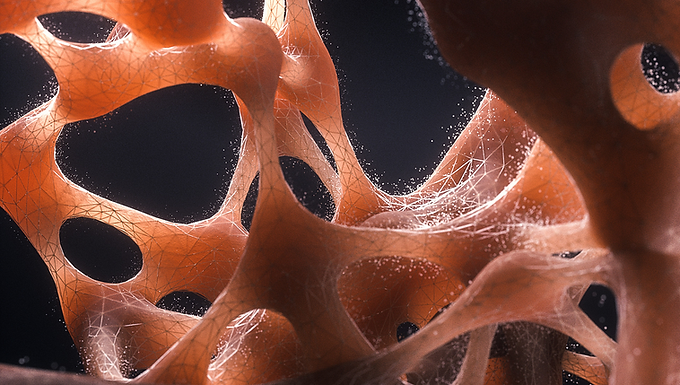
The field of biology and medicine has advanced remarkably quickly in the past decade, and one example of such advancements is an absolutely revolutionary technology: 3D bioprinting of organic tissue. This innovative approach allows scientists and professionals in medicine to create living, functioning, tissue with extraordinary levels of accuracy.
Through this cutting-edge advancement, there will no longer be a need for things such as lengthy transplant lists and instead paves the way for customization of each and every part to fit the patients’ needs.
How Does it Work?
3D bioprinting of organic tissue is a rather complicated and lengthy process. The first step requires the collection of cells of the desired organ to create a sort of “bio-ink” as well as collecting various scans of the part in question.
Using various scans and models of the part of the body needed, the printing machine begins to build, using a natural gel to aid in the cells’ formation, allowing them to grow and develop in the way needed. During the process, different types of cells and bio-inks are used to create the various kinds of tissues needed.
Some cells do not even need this gel, instead being told where to go by inherent instructions contained within themselves. Slowly and bit by bit, the desired part is created using very thin layers of cells.
Post-printing, crosslinking, a method of chemically bonding molecules, is done to make the structure more stable.
Conclusion: Why Is This so Important?
The breakthrough of 3D printing of organic tissue has many potential uses, allowing doctors and those in the field of medicine access to an unparalleled technology.
As mentioned before, 3D bioprinting has much potential in the way of artificial organ creation, no longer forcing those in need of a transplant to wait for long and potentially fatal amounts of time. Not only that, but this new innovation is promising in the way of drug testing, prospectively removing the need for live subjects, and instead offering a safer, more ethical, and cheaper method of such.
With the use of this revolutionary and groundbreaking technology, it will no doubt open many paths into a more equitable and healthy future.