Built for the Cold: Snow Flies that Survive in Freezing Temperatures
Kaitlyn Zhu '28
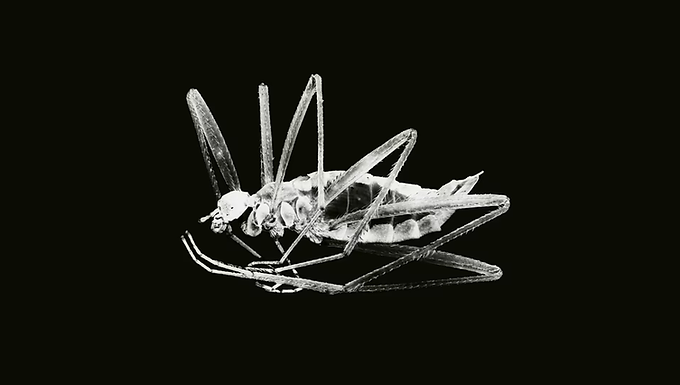
A unique characteristic of snow flies, otherwise known as Chionea, is that they do not follow most other insects in reducing their speed and frequency of activity as the temperature drops to just below freezing. The primary reason for this may have been the physical disruption caused by freezing temperatures that affect the cellular structure and operation of insects. Since an insect is unable to move when it freezes, movement could potentially harm its cells or produce ice crystal formation in its body. Another example of how these are distinct from behaviors exhibited by most insects is that snow flies will still be able to locate a mate and reproduce successfully at the surface of the snow. Snow flies appear to move to the surface of the snow where they meet up with mates and begin reproduction. Researchers discovered that snow flies exhibit some molecular features that allow them to withstand sub-freezing temperatures. These characteristics include antifreeze proteins that control the formation of ice crystals, metabolic genes for producing internal heat, and reduced sensitivities to cold-induced stress on cells.They were successful in identifying several reasons why snow flies were able to withstand temperatures at sub-freezing levels. These factors include: internal production of heat, antifreeze proteins, and diminished sensitivity to cold-related cellular stress (Capek et al., 2026).
Small insects face many challenges when it comes to survival in cold temperatures because their internal body temperatures are significantly affected by their external environment. Some animals that live in very cold climates rely on ice binding proteins, or proteins that bind to ice crystals within the body and stop them from expanding. A group of these proteins are known as antifreeze proteins, which protect the organism from harm and possible death by inhibiting the spread of ice crystals throughout its body fluids (Duman et al., 2015). The presence of these proteins has been identified in a variety of organisms that can survive extreme cold, including fish, certain types of insects, and other arthropod groups. Snow flies seem to utilize a similar method to survive cold temperatures; however, the recent study indicates that a snow fly’s ability to adapt to cold temperatures is based upon a range of traits rather than just one.
Capek et al. (2026) used whole-genome sequencing and comparative genomics to identify candidate genes for cold adaptation in the genomes of C. alexandriana. The researchers compared the snow fly's genome with genomes from other closely related insects to identify expanded gene families responsible for antifreeze action, energy metabolism, and stresses associated with cold temperatures. They identified roughly 20 gene families in Chionea that were expanded relative to other arthropod relatives, as well as 8 expanded gene families that are common to both Chionea and Belgica antarctica.
One of the main results from the research group’s investigation is that the snow fly genome contains genes for antifreeze proteins. The next stage in their study was to find out whether or not one of the researchers could introduce an antifreeze gene into Drosophila (a species of fruit flies) that would code for the exact same type of antifreeze protein as those produced by the snow fly. The scientists’ studies demonstrated that when these larvae had been genetically modified, they continued to survive at lower temperatures than their wild-type counterparts until the point at which ice began to form (Capek et al., 2026). The antifreeze protein found in snow flies is now understood to serve the important role of preventing insect mortality by stopping the harmful freezing process.
The researchers identified a second major discovery: snow flies appear to be able to create their own heat. In general, thermogenesis, the creation of biological heat, has been recognized primarily in mammals, as well as a few species of other animals. It was first noted by Capek et al. (2026), who discovered large numbers of genes from peroxisomes and mitochondria. Peroxisomes are cells that help process fats and reactive substances. The researchers then measured the body temperature of snow flies which had been placed in subfreezing conditions. This resulted in the snow flies generating internal heat for a short period of time. The internal generation of heat would be used by snow flies to counteract cold shock.
Another adaptation was the way the snow fly responded to reactive oxygen species (ROS), which can be produced when cells experience stressful conditions. Cold temperature causes oxidative stress and can produce ROS through the release of free radicals. Unstable free radical molecules have unpaired electrons. This high level of chemical reactivity allows them to potentially cause damage to various cell components like protein, membrane and DNA. Many types of organisms have evolved ways to detect dangerous chemicals with sensory proteins called transient receptor potential ankyrin 1 (TRPA1). TRPA1 is a type of ion channel that regulates the flow of charged particles across cell membranes, and its activation is known to elicit sensory responses from noxious stimuli. There has been evidence that the ability to sense potentially dangerous substances using TRPA1-like receptors is conserved among insects and other animals (Kang et al., 2010). However, unlike insects, TRPA1 in snow flies is significantly less responsive to ROS. In fact, according to Capek et al., the minimum amount of ROS required to activate TRPA1 in snow flies is 35-fold greater than those in similar insects (2026).
Together, the results indicate that while each trait is an example of how snow flies are adapted to endure freezing conditions, they are the most effective when used all together. The antifreeze proteins contribute to this ability, along with thermogenic traits that provide brief periods of increased body temperature. A possible reduction in sensitivity to cold-induced pain (TRPA1) allows the insect to continue to function during prolonged exposure to cold. Finally, this study demonstrates that it appears likely that gene family expansion is one possible mechanism or pathway for cold-adaptation in insects.
Despite these findings, there are many limitations to this research. This study provides definitive proof that snow flies exhibit both significant levels of antifreeze protein activity and heat-producing abilities that prove crucial to their survival in the winter. A great deal of research is still required to fully understand the heat-producing systems in snow flies. The available research is limited to the single species of C. Alexandrina, and therefore it has not yet been determined whether there are similar processes within the same family of insect, or in other families or species.
Studying how flies survive demonstrates that even very small insects can develop highly developed ways to adapt to very harsh and extreme environments. Studying snow flies’ adaptations to cold temperatures of snow flies may provide a significant contribution to the area of cryoprotection (the ability to protect cells and tissue from damage caused by low temperatures).
References
About Snow Flies – The Snow Fly Project. (2024). Washington.edu. https://depts.washington.edu/snowflyproject/snow-fly-basics/
Capek, M., Suhendra, R., Yang, Z., Omer, A. D., Weisz, D., Dudchenko, O., Tuthill, J. C., Aiden, E. L., Kath, W. L., Para, A., Stensmyr, M., & Gallio, M. (2026). Coordinated molecular and physiological adaptations enable activity at sub-freezing temperatures in the snow fly Chionea alexandriana. Current Biology, 36(7), 1825-1841.e6. https://doi.org/10.1016/j.cub.2026.02.060
Northwestern University. (2026, March 26). Scientists found a bug that generates its own heat in freezing cold. ScienceDaily. Retrieved April 28, 2026 from www.sciencedaily.com/releases/2026/03/260326011455.htm
Duman, J. G. (2015). Animal ice-binding (antifreeze) proteins and glycolipids: an overview with emphasis on physiological function. Journal of Experimental Biology, 218(12), 1846–1855. https://doi.org/10.1242/jeb.116905
Kang, K., Pulver, S. R., Panzano, V. C., Chang, E. C., Griffith, L. C., Theobald, D. L., & Garrity, P. A. (2010). Analysis of Drosophila TRPA1 reveals an ancient origin for human chemical nociception. Nature, 464(7288), 597–600. https://doi.org/10.1038/nature08848