Creating Immune Cell "Bloodhounds" to Target Tumors
Esha Desai '28
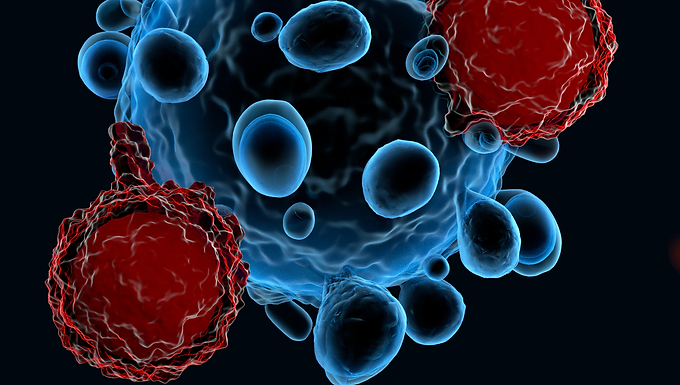
In 2017, CAR-T, an innovative immunotherapy treatment for patients with blood cancers, was approved for use as a treatment for acute lymphoblastic leukemia (Conger, 2026). In this therapy, CAR-T cells are engineered to recognize antigens on the surface of cancer cells allowing the immune system to destroy them (Cleveland Clinic, 2022). However, CAR-T often fails at eliminating solid tumors because they excessively signal to find molecular targets on the tumor which causes them to become exhausted, and therefore they are unable to enter solid cancer tumors (Conger, 2026). Scientists were tasked with creating a solution to allow for increased permeation of immune cells into solid tumors. After thorough investigation into cancer development, the solution was clear: G Protein Coupled Receptors, molecules like bloodhounds using aggressive cancer metabolism to its advantage.
Kim et al. from MIT and Harvard Medical School conducted studies into the differing levels of RNA—the genetic material necessary for protein production—in breast cancer tumors and blood samples (Trafton, 2025). These studies aimed to identify which genes are present in tumors relative to blood circulation. After identification immune cells could be programmed to look for those specific expressed genes. Furthermore, using databases…, [Kim et al.] searched for the RNA expression level in certain immune cells called natural killers (Conger, 2026). Natural Killer (NK) cells are essential to infiltrating tumors because they can identify specific genes only present in solid tumors. Following the identification of 256 possible genes, NK cells compete against each other through tumor infiltration by CRISPR (Kim et al., 2026).
Researchers hypothesized that chemokines, proteins that play a critical role in immune cell migration to inflammation and infection, would help enhance an immune cell's reception to solid tumors ( Sakol et al. 2025). Instead, chemoattracting metabolites consistently allowed NK cells to inflate solid tumors. These metabolites are small molecules that attract immune cells throughout the body, an uncommon area of study for cancer treatments. The metabolites leave signals for immune cells to reach the target destination, and research used this function in NK cells to send them into solid tumors. Eight genes were most effective in the breast cancer models and are referred to as the “tumor-homing GPCRs (thGPRs)” (Kim et al., 2026). Further studies into the GPRs reveal their ability to control immune cell function and migration. This is because GPRs control chemoattracting metabolites that allow the newly engineered T Cells to navigate toward solid tumors. For example, GPR183 enhanced NK migration into breast and ovarian cancer tours through multiple in vivo and ex vivo trials (Kim et al., 2026). Furthermore, GPR183 fully eradicated breast cancer tumors that did not relapse, which highlights the effectiveness of using metabolites for targeted cancer treatments (Conger, 2026). The use of metabolites to target cancer metabolism, a unique part of cancer cells, indicating a new avenue of therapeutic approaches.
With these novel results, there are many questions still left unanswered. While the GPR183 is effective by itself, would it be even more effective when used in tandem with other metabolites that have not been identified yet? Different combinations of GPRs should be studied further to extend current immune cell engineering efforts. Additional investigation into whether GPRs can be used to recognize cues from tumor metabolites not in navigation cues are useful for various applications of these novelly engineered immune cells (Conger, 2026). The potential for GPRs to be used in a therapeutic setting should be studied in clinical trials so the limits of turning GPRs into a cancer treatment can be fully explored (Kim et al., 2026). This study is one of the first to understand how immune cells interact with its environment, creating new ways to design cancer treatments that target the unique features of cancer tumors.
Cell engineering is constantly evolving, and this research demonstrates the relationship between tumor environments and engineered immune cells. By exploring the unique gene expression of solid tumors, new treatments designed for cancer opened up. The creation of immune cell “blood hounds” indicates a future of biochemical targeted immunotherapy options.
References
Cleveland Clinic. (2022, January 19). CAR T-cell therapy. Cleveland Clinic. https://my.clevelandclinic.org/health/treatments/17726-car-t-cell-therapy
Conger, K. (2026, March 23). Immune cell “bloodhounds” track cancer cells’ unique metabolic signatures, eliminate tumors in mice. News Center. https://med.stanford.edu/news/all-news/2026/03/immune-cells-that-hunt-cancer-cells.html
Kim, Y.-M., Tsai, M. K., Sun, C., Laveroni, O., Akana, R. V., Frombach, K., & Jerby, L. (2026). Engineering NK and T cells with metabolite-sensing receptors to target solid tumors. Nature Immunology. https://doi.org/10.1038/s41590-026-02473-y
Sokol, Caroline L, and Andrew D Luster. “The chemokine system in innate immunity.” Cold Spring Harbor perspectives in biology vol. 7,5 a016303. 29 Jan. 2015, doi:10.1101/cshperspect.a016303
Trafton, A. (2025, October). Engineered “natural killer” cells could help fight cancer. MIT News | Massachusetts Institute of Technology. https://news.mit.edu/2025/engineered-natural-killer-cells-could-help-fight-cancer-1008