Dementia and Microplastics
Clare Reif '26
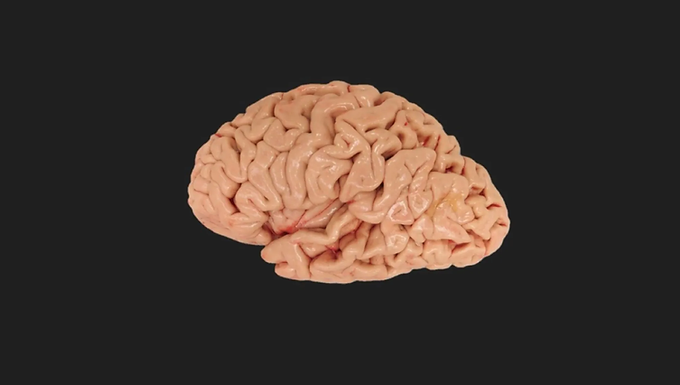
Parkinson’s Disease is the fastest growing neurological condition in the world (Pelc, 2023). It is estimated that over 55 million people live with the condition globally (“ADI - Dementia Statistics”, n.d.). Still, there is no cure for the condition or a known cause. However, scientists do understand that variables such as environmental factors, lifestyle influences, and genetics all contribute to the onset of the disease (Pelc, 2023). Specifically, neurologists have found that consumption of micro and nano plastics leads to memory loss disorders, such as Parkinson’s disease and Dementia (Pelc, 2023).
Microplastics are small plastic particles formed as bigger plastics break down in the environment, while nanoplastics are even smaller plastic particles formed from the degradation of microplastics (CDC, 2020). On average, humans consume approximately 5 grams of micro and nano plastics into their gastrointestinal tract each week (Pelc, 2023). Most commonly, we ingest these plastics through the packaging of foods. The most contaminated of these foods is fish and shellfish. Due to the 24 trillion pieces of microplastics in the ocean, fish and shellfish regularly come into contact with microplastics and consume them. So, when a person eats a sea creature, they also consume plastics that the animal ingested. In total, researchers estimate that the amount of microplastics that an average person consumes in a year is equivalent to 17 credit cards. Additionally, these plastics can enter the body through contaminated food, water, and the atmosphere. When ingested, these plastics disrupt the regular processes of lung and liver cells and may be linked to certain types of cancer (Pelc, 2023). Exposure to these plastics can also negatively impact the brain, leaving them susceptible to development of neuronal disorders.
The first evidence of ingested plastics’ harm was discovered in a study published in April of 2023, which revealed that nanoplastic consumption can lead to reduced cognition and short-term memory in mice (Pelc, 2023). The results of this study can be applied to humans: when consumed, these plastics affect a specific protein found in the brain, causing changes linked to Parkinson’s disease and Dementia. Dr. Andrew West, professor at Duke University School of Medicine and principal investigator of this study, found that nanoplastics had a tremendous effect on aggregating the protein alpha-synuclein (Pelc, 2023). Aggregation is the collection of units or particles of a mass that form its whole. West’s experiment consisted of three models to observe the accumulation of plastic protein: test tubes, cultured neurons, and a mouse with Parkinson’s disease (Pelc, 2023). West and his team found that nanoplastics of the plastic polystyrene, which is used to make foam packaging peanuts, egg cartons, and disposable drinking cups, all cause the alpha-synuclein protein to accumulate (Pelc, 2023). The accumulation of alpha-synuclein causes the proteins to twist abnormally into a form that inhibits the regular function of the protein and may cause clustering associated with the disease (Pelc, 2023). However, that is not where the damage ends. Dr. West further explained that “the plastics might impair the very machinery designed to destroy aggregates that form a part of the cell called the lysosome. We suspect this ‘two-hit’ mechanism is behind the interactions we found in the model” (Pelc, 2023). The “two-hit” mechanism, employed by the nanoplastics, inhibits the function of the lysosome, which is the part of the cell that degrades material from outside the cell and the mechanism used to rid nanoplastics. In short, the nanoplastics cause accumulation of harmful proteins while simultaneously inhibiting the removal of the nanoplastics since the nanoplastics damage the lysosome, which removes these plastics.
The damages of micro and nanoplastics are horrific, and so are the symptoms of Dementia, Parkinson’s, and other neurological degenerative diseases. Although currently there are no cures nor methods to prevent these diseases, emerging understanding of their environmental determinants reveal that continuing to monitor plastic pollution to prevent humans’ plastic consumption is extremely important. The impact of nanoplastics on human neurological health provides a compelling reason to develop technology to monitor plastic pollution (Pelc, 2023).
References
Are there nano- and microplastics in the workplace? | Blogs | CDC. (2020, February 19). https://blogs.cdc.gov/niosh-science-blog/2020/02/19/microplastics/
ADI - Dementia statistics. (n.d.). ADI - Dementia Statistics. https://www.alzint.org/about/Dementia-facts-figures/Dementia-statistics/#:~:text=Numbers%20of%20people%20with%20Dementia,will%20be%20in%20developing%20countries.
Pelc, C. (2023, November 17). Parkinson’s disease, Dementia linked to nanoplastics that may affect the brain. Medical News Today. https://www.medicalnewstoday.com/articles/parkinsons-Dementia-how-nanoplatics-affec t-protein-in-brain
Prins, R. (2023, September 7). MICROPLASTICS APPEAR TO PROMOTE DEMENTIA. Plastic Soup Foundation. https://www.plasticsoupfoundation.org/en/2023/09/microplastics-appear-to-promote-Dementia/
Wang, G., Lin, Y., & Shen, H. (2023). Exposure to Polystyrene Microplastics Promotes the Progression of Cognitive Impairment in Alzheimer’s Disease: Association with Induction of Microglial Pyroptosis. Molecular Neurobiology. https://doi.org/10.1007/s12035-023-03625-z